
4 September 2024
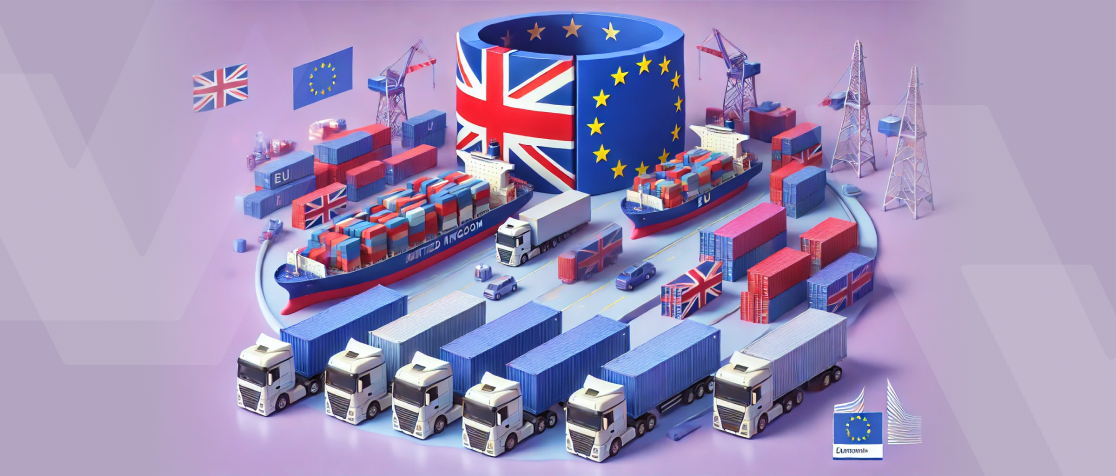
International payments, as we know, can be expensive.
It's no secret. Paying an international invoice is often a real pain for many SMEs, especially for those who are just starting to work with foreign suppliers or partners. It seems impossible to avoid these difficulties.
Exchange rates are constantly changing and large banks can charge significant fees for their services. In addition, it can be extremely complicated to complete all the necessary documentation when importing or exporting goods through the EU.
In fact, imports and exports play a key role in business growth and are vital for companies looking to expand. The EU is one of the most important markets for procurement and sales, and SMEs should not miss out on this market because of the challenges it presents.
So is there an easier way to reap the benefits of international trade without the hassle and cost?
Let's break down what you need to know to simplify international payments for imports and exports.
Whether you are paying for goods or receiving a payment, it is important to know what information you need to provide for an international transfer.
Usually, to transfer money abroad, you will need the International Bank Account Number (IBAN) of the company or individual you are paying. You will also need a Bank Identification Code (BIC) and accurate account details, whether it is a corporate or personal account.
You need to consider whether your goods (import or export) are subject to additional costs and document requirements. This is especially true for trade with the EU, where a number of rules apply, including:
â— Value Added Tax (VAT)
â— Excises or duties on imports/exports
â— Sales tax
â— Customs tariffs and other charges
It may seem difficult and intimidating, but with experience, the process becomes easier.
When we talk about international payments, exchange fees and administrative costs often come to mind. But there are other hidden costs such as duties and taxes, especially if you export or import goods. For example, if you're importing goods, your supplier may include these costs in the final invoice.
If you export, these costs can fall on your shoulders. It is therefore important to discuss all details with your suppliers in advance to avoid unpleasant surprises.
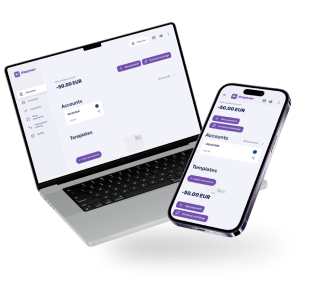
If you are planning to make international payments, Payver can be your trusted partner. With global coverage, comprehensive payment networks and support every step of the way, Payver will ensure safe and efficient payments to your suppliers in the EU, UK and beyond.
Powered by

even the most complex payments
